SBA Loan Denied? Here's Your 90-Day Capital-Readiness Path.
Roughly two-thirds of SBA applications are declined — almost always for fixable readiness reasons. Here's how to turn a denial into an approval.
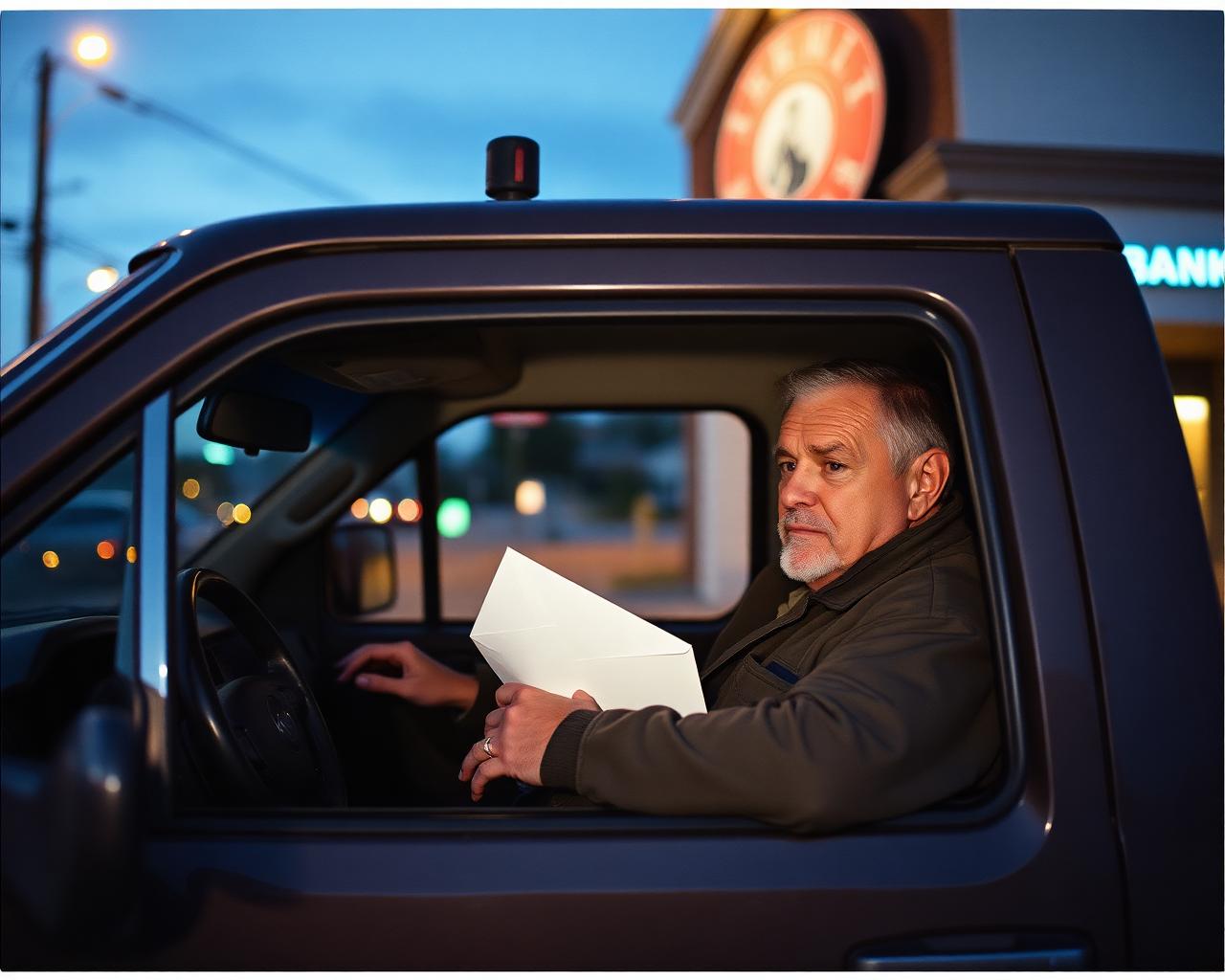
Why SBA loans get denied
Most denials trace to a short list of fixable issues:
- Earnings mixed with owner expenses — lenders can't separate what the business earns from what the owner withdraws, so they can't underwrite a real cash flow number.
- Documentation that doesn't hold up — missing returns, inconsistent bank statements, or financials that don't reconcile.
- Owner-dependent operations — the lender can't underwrite the future of a business that depends entirely on one person staying healthy and motivated.
- Customer concentration above 25% — one big customer means one big risk the bank won't accept.
- Credit or collateral gaps — personal credit below the lender's threshold, or insufficient collateral to satisfy their overlay.
Notice the pattern: almost none of these mean the business is bad. They mean the proof isn't built yet. Capital readiness is the work of building it.
What the 90-day window is really for
The mandatory wait feels like a punishment. It's actually the exact amount of time needed to fix the most common denial reasons. Used deliberately, 90 days is enough to clean up the numbers, document the systems, and assemble the evidence that turns a "no" into a "yes." Wasted, it's just three months until the same denial.
Your 90-day plan
- Diagnose the real reason. A denial letter rarely tells the whole story. Map the denial to its underlying readiness gap — earnings normalization, documentation, owner-dependence, or concentration.
- Fix the Financial Engine. Separate owner-independent earnings, clean up documentation, and make cash flow legible — the metrics that matter. This is the work that converts a weak application into a strong one.
- Prove owner-independence. Use the OWNABLE Extraction Method to show the business runs as a system, not as you — documented workflows, workforce accountability, and evidence the delivery continues without the founder.
- Reapply from strength. Walk back in with the answers to every question the lender asked the first time — before they ask. With a different SBA-preferred lender if needed; their overlays vary significantly.
Why lender selection matters
The SBA sets the program; banks set their own overlay requirements on top of it. A denial from one bank doesn't mean no SBA lender will fund you — it often means you went to the wrong lender for your profile. Underwriting appetite, collateral treatment, and industry focus vary widely across SBA-preferred lenders. Knowing which lender matches your profile is part of what Capital Readiness Advisory delivers.
When SBA is the wrong fit entirely
Some businesses genuinely don't fit the SBA box — and no amount of readiness work will change that. The SAFERR was built for exactly this case: the most owner-friendly capital structure for established SMBs with real cash flow that the SBA program wasn't designed to serve. You repay from revenue at a known cap; the funder shares in an exit only if you choose one. No forced sale, no lost control.
Where to start
The free OWNABLE Assessment scores your capital readiness and your Five Hidden Taxes, then routes you into the exact fixes for your situation — including the Financial Engine work that resolves most SBA denials, and the SAFERR path if SBA isn't the right fit.
- Capital Readiness Advisory →
Build the profile lenders fund.
- The SAFERR →
When the SBA box doesn't fit.
- Bookkeeping & Fractional CFO →
Clean the Financial Engine.
- Capital Hub →
All capital paths compared.
Frequently asked questions
Why was my SBA loan denied?+
Most SBA denials come from fixable readiness gaps: earnings that can't be separated from the owner, weak documentation, inconsistent cash flow on paper, credit or collateral issues, or heavy owner-dependence. They usually reflect a proof problem, not a bad business.
How long do I have to wait to reapply for an SBA loan?+
After a denial, there's typically a 90-day waiting period before you can reapply. That window is enough time to fix the most common denial reasons if you use it deliberately.
Can I get approved after an SBA denial?+
Often, yes — if you resolve the underlying readiness gap. Cleaning up the Financial Engine and proving the business runs without the owner addresses the reasons most applications are declined.
What should I do during the 90-day wait?+
Diagnose the real reason for the denial, fix your Financial Engine, prove owner-independence with documented systems, and reapply from strength. The free Assessment maps the specific steps for your business.
What if I can't get an SBA loan at all?+
The SAFERR was built for exactly this case — the most owner-friendly capital structure for established SMBs outside the SBA box but with real cash flow.
Is an SBA denial a blacklist?+
No. SBA denials are not blacklists. Most denials are reversible inside 6–12 months of Capital Readiness work — normalizing earnings, diversifying revenue, and presenting a defensible capital memo to a different SBA-preferred lender.
Why do SBA lenders deny loans the SBA program would allow?+
Banks overlay their own credit standards on top of SBA guidelines. The SBA program permits more than most individual lenders actually fund. A denial from one lender doesn't mean no SBA lender will fund you — which is why we work with a network of aligned SBA-preferred lenders.
Exit ready is capital ready.
The free OWNABLE Assessment takes about ten minutes and scores your Five Hidden Taxes in real dollars.